
How Nonprofits Use Salesforce for Program Management (And Why It Changes Everything)
By John Holloway — Founder, Holloway Tech Consulting

When a nonprofit first implements Salesforce, the conversation almost always starts with donors. Who gave, how much, when, and how do we track the relationship over time. That is a legitimate starting point. Donor management is where most of the immediate pain is, and it is where the ROI is easiest to see.
But the organizations that get the most out of Salesforce over the long run are the ones that eventually turn the same infrastructure toward their programs. The work they actually do. The people they serve. The outcomes they are accountable to funders for.
That shift from donor CRM to full program management platform is one of the most significant operational upgrades a nonprofit can make. Here is what it looks like in practice and why it matters.
What Program Management in Salesforce Actually Means
Program management in Salesforce means using the platform to track the people you serve, the services you deliver to them, and the outcomes that result. Depending on your organization, that might look like:
- Tracking participants across multiple program cycles or cohorts
- Recording attendance, session notes, and service delivery for each individual
- Capturing outcome data at the individual level: assessments, milestones, goal completion
- Connecting program participants to the donors and grants that fund the work
- Generating reports that show funders exactly what their investment produced
The Salesforce Nonprofit Success Pack (NPSP) and the newer Nonprofit Cloud both include purpose-built objects and frameworks for this kind of work. Program Engagement, Service Delivery, and Outcome objects give you a structured way to record what happens in your programs without building everything from scratch.
The Problem Most Nonprofits Are Solving Right Now
Before Salesforce, most nonprofits track program data in spreadsheets. Sometimes one spreadsheet per program, sometimes one per staff member, sometimes a shared Google Sheet that has grown into something nobody fully understands anymore.
The problems with this approach are predictable. Data is inconsistent because different people enter it differently. Reporting takes hours because someone has to manually compile and reconcile multiple sources. Funder reports are stressful because the numbers do not always add up cleanly. And when a staff member leaves, institutional knowledge about how the data works often leaves with them.
Moving program data into Salesforce solves all of these problems, but only if the implementation is designed around how the programs actually work, not just how Salesforce works out of the box.
What a Well-Built Program Management Setup Looks Like
The best nonprofit Salesforce implementations I have worked on share a few characteristics.
Participants are Contacts, not a separate system
The people your programs serve live in the same Salesforce org as your donors, volunteers, and board members. This matters because many of the people you serve will eventually become donors, volunteers, or advocates. When they are in the same system, you can see the full relationship, not just the program history in isolation.
Programs and cohorts are structured, not free-form
Each program has a defined record in Salesforce. Each cohort or cycle has its own Program Engagement records linking participants to that specific instance of the program. This structure makes it possible to compare outcomes across cohorts, track completion rates over time, and pull funder reports without manual work.
Outcome data is captured at the right level
Outcomes need to be recorded at the individual level to be meaningful. An aggregate number like "we served 200 people" tells a funder very little. Individual-level data showing what percentage of participants met their primary goal, broken down by demographic, is what moves funders from interested to committed.
Reporting is built in, not bolted on
When the data model is right, funder reports become a matter of running a saved report rather than a multi-day manual process. The organizations that get here describe it as transformative, not because the data changed, but because the time cost of accessing it dropped from days to minutes.
When to Make the Move
The right time to bring program management into Salesforce is usually one of three moments: when you are first implementing Salesforce and can design the whole system at once; when you are scaling a program and the spreadsheet approach is visibly breaking down; or when a funder asks for outcome data you cannot currently produce cleanly.
The worst time is after years of ad hoc data entry have created a mess that needs to be cleaned up before anything useful can be built. That cleanup is possible, but it is significantly more expensive and time-consuming than getting the structure right from the start.
If you are currently tracking program data in spreadsheets and you already have Salesforce for donors, the migration is usually more straightforward than organizations expect. The data model is already there. It is mostly a matter of mapping your current data to the right objects and building the intake and reporting workflows your team will actually use.
A Note on Nonprofit Cloud vs. NPSP
If you are evaluating Salesforce for the first time or considering an upgrade, the choice between NPSP and Nonprofit Cloud matters for program management specifically. Nonprofit Cloud has a more modern data architecture and better native support for program and outcome tracking. NPSP is more widely deployed and has a larger community of administrators and consultants who know it well.
For most organizations starting fresh today, Nonprofit Cloud is the right direction. For organizations already on NPSP with years of data and customization, the migration calculus is more complex. Either way, the program management capabilities are real and worth building toward.
Ready to Move Your Program Data Out of Spreadsheets?
We work with nonprofits to design Salesforce program management systems that match how your programs actually run. Book a free 30-minute call to talk through where you are and what a move would look like.
Book a Free Consultation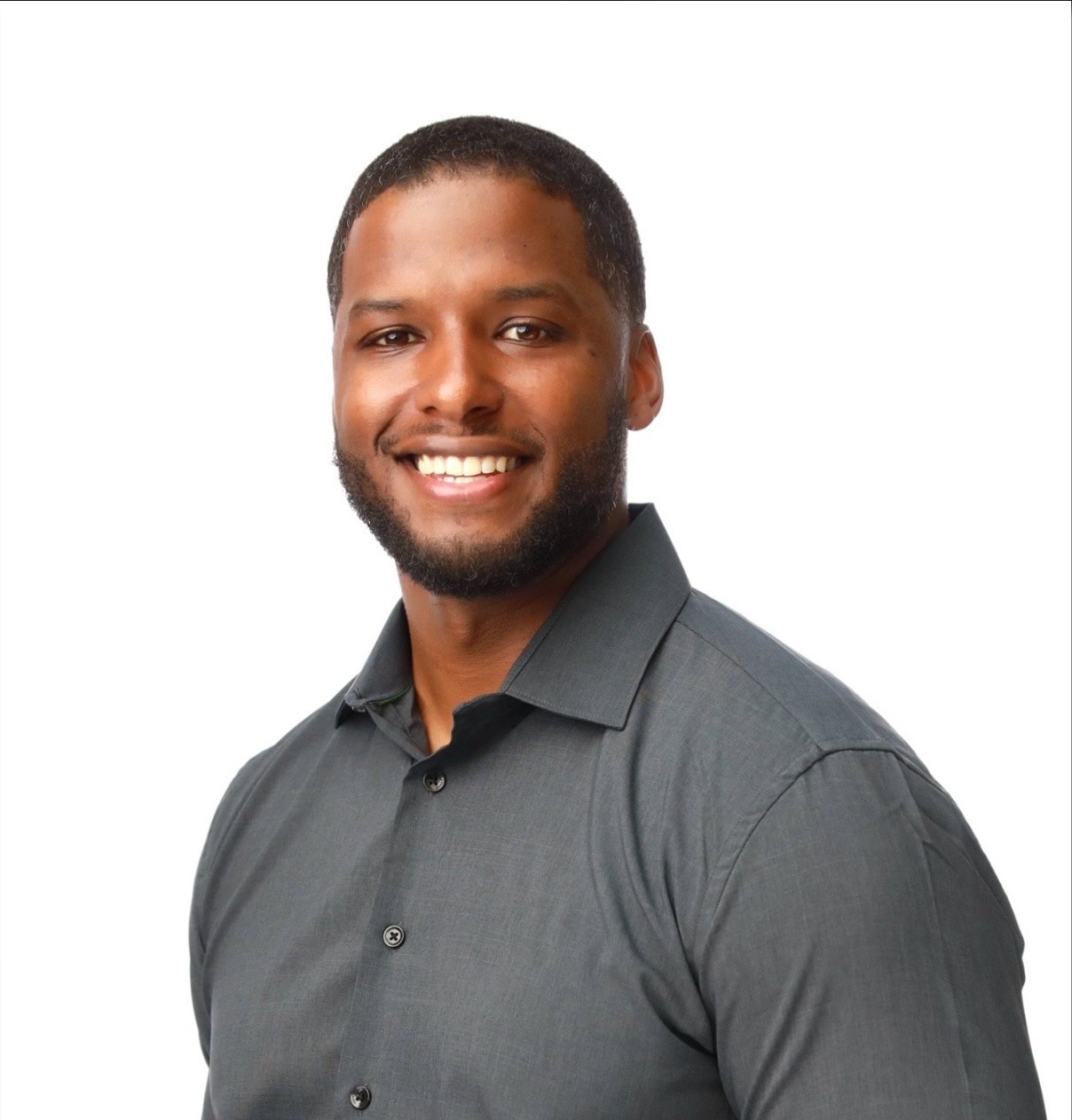
John Holloway
Founder, Holloway Tech Consulting · 4x Salesforce Certified · 11+ Years Experience
About John